As seen in the Preventive Psychiatry E-Newsletter # 184 By Thomas Armstrong 4-7-05
Over the past ten years, attention deficit disorder (ADD) or attention deficit hyperactivity disorder (ADHD) has emerged from the relative obscurity of cognitive psychologists, research laboratories to become the "disease du jour" of America's schoolchildren. Accompanying this popularity has been a virtually complete acceptance of the validity of this "disorder" by scientists, physicians, psychologists, educators, parents, and others. Upon closer critical scrutiny, however, there is much to be troubled about concerning ADD/ADHD as a real medical diagnosis.
There is no definitive objective set of criteria to determine who has ADD/ADHD and who does not. Rather, instead, there are a loose set of behaviors (hyperactivity, distractibility, and impulsivity) that combine in different ways to give rise to the "disorder." These behaviors are highly context-dependent. A child may be hyperactive while seated at a desk doing a boring worksheet, but not necessarily while singing in a school musical. These behaviors are also very general in nature and give no clue as to their real origins. A child can be hyperactive because he's bored, depressed, anxious, allergic to milk, creative, a hands-on learner, has a difficult temperament, is stressed out, is driven by a media-mad culture, or any number of other possible causes. The tests that have been used to determine if someone has ADD/ADHD are either artificially objective and remote from the lives of real children (in one test, a child is asked to press a button every time he sees a 1 followed by a 9 on a computer screen) , or hopelessly subjective (many rating scales ask parents and teachers to score a child's behavior on a scale from 1 to 5: these scores depend upon the subjective attitudes more than the actual behaviors of the children involved).
The treatments used for this supposed disorder are also problematic. Ritalin use is up 500% over the past six years, yet it does not cure the problem, it only masks symptoms, and there are several disadvantages: children don,t like taking it, children use it as an "excuse" for their behavior ("I hit Ed because I forgot to take my pill."), and there are some indications it may be related to later substance abuse of drugs like cocaine. Behavior modification programs used for kids labeled ADD/ADHD work, but they don,t help kids become better learners. In fact, they may interfere with the development of a child's intrinsic love of learning (kids behave simply to get more rewards), they may frustrate some kids (when they don,t get expected rewards), and they can also impair creativity and stifle cooperation.
ADD/ADHD is a popular diagnosis in the 1990's because it serves as a neat way to explain away the complexities of turn-of-the-millenium life in America. Over the past few decades, our families have broken up, respect for authority has eroded, mass media has created a "short-attention-span culture," and stress levels have skyrocketed.
When our children start to act out under the strain, it's convenient to create a scientific-sounding term to label them with, an effective drug to stifle their "symptoms," and a whole program of ADD/ADHD workbooks, videos, and instructional materials to use to fit them in a box that relieves parents and teachers of any worry that it might be due to their own failure (or the failure of the broader culture) to nurture or teach effectively.
Mainly, the ADD/ADHD label is a tragic decoy that takes the focus off of where it's needed most: the real life of each unique child. Instead of seeing each child for who he or she is (strengths, limitations, interests, temperaments, learning styles etc.) and addressing his or her specific needs, the child is reduced to an "ADD child," where the potential to see the best in him or her is severely eroded (since ADD/ADHD puts all the emphasis on the deficits, not the strengths), and where the number of potential solutions to help them is highly limited to a few child-controlling interventions.
Instead of this deficit-based ADD/ADH paradigm, I,d like to suggest a wellness-based holistic paradigm that sees each child in terms of his or her ultimate worth, and addresses each child's unique needs. To do this, we need to provide a wide range of options for parents or teachers.
50 Ways to Improve Your Child's Behavior and Attention Span without Drugs, Labels, or Coercion (for detailed information about each way, see The Myth of the A.D.D. Child
Order book by calling: 1-800-247-6553.
1. Provide a balanced breakfast.
2. Consider the Feingold diet
3. Limit television and video games
4. Teach self-talk skills.
5. Find out what interests your child.
6. Promote a strong physical education program in your child's school.
7. Enroll your child in a martial arts program.
8. Discover your child's multiple intelligences (link)
9. Use background music to focus and calm.
10. Use color to highlight information.
11. Teach your child to visualize.
12. Remove allergens from the diet.
13. Provide opportunities for physical movement.
14. Enhance your child's self-esteem.
15. Find your child's best times of alertness.
16. Give instructions in attention-grabbing ways.
17. Provide a variety of stimulating learning activities.
18. Consider biofeedback training.
19. Activate positive career aspirations.
20. Teach your child physical-relaxation techniques.
21. Use incidental learning to teach.
22. Support full inclusion of your child in a regular classroom.
23. Provide positive role models.
24. Consider alternative schooling options.
25. Channel creative energy into the arts.
26. Provide hands-on activities
27. Spend positive times together.
28. Provide appropriate spaces for learning.
29. Consider individual psychotherapy.
30. Use touch to soothe and calm.
31. Help your child with organizational skills.
32. Help your child appreciate the value of personal effort.
33. Take care of yourself.
34. Teach your child focusing techniques.
35. Provide immediate feedback.
36. Provide your child with access to a computer.
37. Consider family therapy.
38. Teach problem-solving skills.
39. Offer your child real-life tasks to do.
40. Use "time-out" in a positive way.
41. Help your child develop social skills.
42. Contract with your child.
43. Use effective communication skills.
44. Give your child choices.
45. Discover the treat the four types of misbehavior.
46. Establish consistent rules, routines, and transitions.
47. Hold family meetings.
48. Have your child teach a younger child.
49. Use natural and logical consequences.
50. Hold a positive image of your child.
Resources
Armstrong, Thomas.
The Myth of the ADD Child: 50 Ways to Improve Your Child's Behavior and Attention Span without Drugs, Labels, or Coercion. New York: Plume, 1997.
To Empower, Not Control!: A Holistic Approach to ADD/ADHD, Reaching Today's Youth, Winter, 1998.
ADD as a Social Invention," Education Week, October 18, 1995.
Labels Can Last a Lifetime," Learning, May/June, 1996.
Why I Believe Attention Deficit Disorder is a Myth," Sydney's Child [Australia], September, 1996.
Divoky, Diane and Peter Schrag. The Myth of the Hyperactive Child. New York: Pantheon, 1975.
Goodman, Gay, and Mary Jo Poillon. "ADD: Acronym for Any Dysfunction or Difficulty,"
Journal of Special Education, Vol. 26, No. 1, 1992.
Griss, Susan. Minds in Motion: A Kinesthetic Approach to Teaching Elementary Curriculum.Portsmouth, NH: Heinemann, 1998.
Kohn, Alfie. "Suffer the Restless Children," Atlantic Monthly, November, 1989, pp. 90-100.
McGuinness, Diane. When Children Don't Learn. New York: Basic, 1985.
Merrow, John. " Attention Deficit Disorder: A Dubious Diagnosis," (Video). The Merrow Report, 588 Broadway, Suite 510, New York, NY 10012,212-941-8060; 212-941-8068 (fax).
Patterson, Marilyn Nikimaa. Every Body Can Learn: Engaging the Bodily-Kinesthetic Intelligence in the Everyday Classroom. Tucson, AZ: Zephyr Press, 1997.
Reid, Robert, John W. Maag, and Stanley F. Vasa, "Attention Deficit Hyperactivity Disorder as a Disability Category: A Critique," Exceptional Children, Vol. 60, No. 3, pp. 198-214.
Tuesday, April 12, 2005
The Myth Of Attention Deficit Disorder


Friday, March 25, 2005
Ritalin Death
The Story of the death of a child due to Ritalin, as told by a parent.
My name is Lawrence Smith; I am here to let you know about the death of our fourteen-Year-old Son Matthew. He died on March 21, 2000. The cause was determined to be from the long- term (age 7-14) use of Methylphenidate a medication commonly known as Ritalin.
The Certificate of Death under due to, (or because of) reads. Death caused from Long Term Use of Methylphenidate, (Ritalin). According to Dr. Ljuba Dragovic, The chief pathologist at the Oakland County Medical Examiners office in Michigan said upon autopsy, Matthew's heart showed clear signs of small vessel damage, the type caused by stimulant drugs like amphetamines.
The medical examiners told me that a full-grown man's heart weighs about 350 grams and that Matthew's heart weight was about 402 grams.
Matthew did not have a preexisting heart disease
Mass drugging of schoolchildren remains dark secret of public education, psychiatry
As reported on News Target.com
Believe it or not, until recently, it has been perfectly legal for schools to force schoolchildren to be put on psychoactive mind-altering drugs as a condition of attending that school. That is, the school administrator or counselor could insist that a certain child be dosed with mind-altering drugs. It sounds bizarre, but it was absolutely true until just recently.
Finally, Congress has passed legislation that bans schools from forcing parents to drug their children for behavioral problems. This law was even signed by President Bush, believe it or not.
Now you may think that, gee, this wasn't a problem, I never heard about this. But in fact it was a huge problem. There have been many cases where children were denied an education because their parents refused to put them on narcotic stimulants, antidepressants and other drugs that we now know cause violent behavior and increased risk of suicide. There were schools actually forcing parents to put their children on drugs that would cause aggressive behavior and suicidal thoughts.
And, in extreme cases, these drugs actually caused or contributed to the kind of mass murders like we saw in Columbine where the two high school students picked up assault rifles, went to school, and blew away teachers and classmates. These two kids were on antidepressant drugs -- it's still one of the most censored stories of the last decade.
Thursday, March 24, 2005
Another Teen Killer was on Prozac
The 16-year-old Minnesota outsider who killed nine people before taking his own life on Monday was being treated with the controversial anti-depressant Prozac. The revelation yesterday by Jeff Weise's aunts, Shauna and Tammy Luscher, on CBS News' "The Early Show" revived the debate over whether such drugs induce homicidal and suicidal thoughts in children and teens.
Eric Harris, one of the teen gunmen in the infamous Columbine massacre in 1999, had been prescribed Prozac, as had Kip Kinkel, who killed his parents and classmates at Thurston High School in Oregon in 1998.
His grandmother, Shelda Lussier, 54, said he saw a mental health professional at Red Lake Hospital on Feb. 21, the same day his prescription was refilled for 60 milligrams a day of Prozac, which he had been taking since last summer, the Washington Post reported.
Studies have linked Prozac and similar antidepressants to a greater risk of suicidal thoughts and behavior in kids. In October, the Food and Drug Administration revised the drugs' packaging to warn health professionals that they should closely monitor young patients when an antidepressant is prescribed or the dose is changed. Prozac proponents maintain that that association is all just a bad coincidence
Friday, March 18, 2005
Are your children crazy?
Congress and President Bush apparently think that a lot of children have a "mental health" problem. Or that enough of them do to justify taking millions of dollars from taxpayers to fund a universal "mental health screening" for children, and eventually for everyone.
Personally, I think -- from the perspective of a person who never had any -- that almost all children act crazy. Those who don't are, by definition, abnormal, because they don't act like the others.
The main problem with about half of them is that they are boys. Such children are obviously made of snips and snails and puppy dog tails. On the farm there is a solution for that: a procedure for turning boy lambs into non-ram lambs. After a quick little operation, they act like peaceful little lambs instead of aggressive, disruptive rams.
We don't do surgery like that on little boys, of course, but we do have our methods: such as behavioral therapy and chemicals. [...]
Teams of experts are awaiting the infusion of cash. They'll be ensconced in your child's school before you even know it. A bonus is that your little darlings will probably give them quite a bit of information about you also, and then you too can receive therapy you didn't know you needed.
Do you sometimes raise your voice? Ever spank them? Hug them inappropriately? Have politically incorrect attitudes? Use forbidden words? Own a gun? Smoke cigarettes, especially indoors? Read extremist literature? Refuse to recycle? Prepare for a knock on the door.
As Seen in the UPI Article
Outside View: Are your children crazy?
By Jane Orient, M.D.
Outside View Commentato
Wednesday, March 16, 2005
Alliance for Human Research Protection
The Alliance for Human Research Protection (AHRP) is a national network of lay people and professionals dedicated to advancing responsible and ethical medical research practices, to ensure that the human rights, dignity and welfare of human subjects are protected, and to minimize the risks associated with such endeavors.
Over the past decade, the explosion of biomedical research has not been accompanied by an effective system of oversight or enforcement to protect those who volunteer. A body of well-documented evidence shows that in numerous instances the rights of human subjects have been violated. Unsuspecting research volunteers have sometimes suffered grievous injuries and even preventable death.
The causes are clear:
- Research is increasingly driven by commercial concerns.
- Conflicts of Interest are ubiquitous.
- Disclosure of risks may be incomplete.
- Regulatory safeguards have been violated.
Lax oversight by Institutional Review Boards has failed to prevent ethical violations even at major research institutions (e.g., University of Rochester, University of Pennsylvania, Duke University, University of Oklahoma, Johns Hopkins University, Fred Hutchinson Cancer Center, Harvard University, and the National Institutes of Health).
This year, more than 15 million Americans will be recruited into clinical trials.
The AHRP mission is to stand up - and speak out - for the human rights of research subjects of human experiments, especially those who are vulnerable and /or susceptible to manipulation and exploitation. Those who are incapable of exercising their right to informed consent are in greatest need of protection from research abuse
- children (some as young as preschool age),
- elderly residents of nursing homes, and others with impaired reasoning capacity, and
- people suffering from a disabling mental illness.
Tuesday, March 15, 2005
Psychiatric Failure in Cannibalism Case
As seen in this report, a pychotic criminal who was inside the Broadmoor secure mental hospital in Britain [for a hideous crime which included cannibalism] was being assessed for a possible return to the community by the mental health esperts there.
The court was told that the mental health system had let the public down after Bryan was released from Rampton special hospital where he was sent after the manslaughter of shop assistant Nisha Sheth, in Chelsea, in 1993.
Aftab Jafferjee, prosecuting, said: “The last two killings have taken place when the defendant was under the care of the mental health regime which has manifestly failed to protect the public. That there was a significant failure within the mental health care regime in recognising the danger that the defendant presented is plain.”
And David Etherington QC, defending, agreed, saying Bryan “should have been kept in conditions of the highest security”.
Sentencing him to two life sentences today, Judge Giles Forrester told Bryan he would never be released because he was too dangerous.
He said: “You killed on these last two occasions because it gave you a thrill and a feeling of power when you ate flesh. The violence on each occasion was extreme and unpredictable, accompanied by bizarre and sexual overtones.”
Referring to Mr Cherry, he added: “You ate his flesh. You fried his brain in his kitchen.”
Abuse of Power by a depressed, suicidal psychologist who lies to have people committed
News from our friends in Florida that a psychologist has been convicted of lying on committal forms so that she could have a pesky neighbor put away for a few days. Psychologist Holli Bodner was feuding with neighbor Jean Pierre Villar for a year, and apparently got fed up enough to actually have him committed to an institution for a three day evaluation against his will. Florida law provides that such committals may be made when someone is a danger to himself or others, but clearly there is ample room for abuse.
A psychologist accused of making false statements has pled no contest to a perjury charge Monday afternoon. The false statments led authorities to wrongfully involuntarily commit a Longboat Key, Florida man that she was having a dispute with.
Sitting inside Circuit Judge Douglas Henderson's [Florida] courtroom, Ana Villar coddled her weeping daughter-in-law, Erika Villar, as they listened to Holli Bodner explain why she impulsively asked authorities to arrest Jean Pierre Villar and have him undergo an involuntary mental evaluation in April 2003.
Prosecutors were seeking 10 days imprisonment, three months of probation and termination of Bodner's medical license. "Taking somebody's freedom away is egregious," assistant state attorney Darlene Ragoonanan told the court.
Henderson sentenced Bodner to 10 weekends of jail time starting at 6 p.m. March 25. She was also sentenced to six months of probation. An appeal bond was set at $10,000.
Bodner was scheduled to stand trial on Monday. Her license to practice psychology is under review by the Board of Medicine, attorneys said.
After the Longboat Key Police Department failed to register Bodner's complaint against Villar, Bodner turned to the Manatee County Sheriff's Office, filing a Baker Act against Villar at the courthouse on April 9, 2003.
"I was so in fear for months of the ongoing barrage of this man," Bodner told Henderson. "I just wanted somebody to stop it."
Villar, who had a back injury, was taken into custody for mental evaluation. Family members claimed sheriff's deputies used excessive force while taking him into custody, causing his condition to worsen. Villar died in November.
"I just think 10 days in jail is not enough for what she did," Erika Villar told Henderson, as she cried. "He really couldn't do anything after that."
While issuing his sentence, Henderson noted that judges usually place more weight in issuing a Baker Act that is filed by a physician. Bodner never medically evaluated Villar as a patient.
Is it me or is there something disturbing about a depressed, suicidal psychologist who lies to have people committed and is still working?
Friday, March 11, 2005
Psychiatrist on trial for Child Molestation
As reported in the Chicago Tribune
Dr. Gary Almy, 61, of the 3100 block of Old McHenry Road, (in Long Grove, IL) is charged with aggravated criminal sexual abuse. Almy allegedly molested a 14-year-old boy in summer 2003, a 10-year-old boy in October 2000 and a 14-year-old boy between October 2003 and last April. The boys attended Almy's Truth in Action Academy, which he operated in his home, authorities said. Judge Victoria Rossetti scheduled Almy's trial for May 31.
Almy, who was a staff psychiatrist at LYDIA Home Association, a child welfare agency in Chicago, until he resigned last month, is being held in Lake County Jail in lieu of $600,000 bail.
Wednesday, March 09, 2005
Temple University Sued for Hauling a Christian Student to Psychiatric Ward
Jury selection and trial began this past Monday, March 7 in the Marcavage vs. Temple University federal civil case. Temple University Vice President of Operations, William Bergman, and the Managing Director of Campus Safety, Carl Bittenbender, will stand trial for attempting to have Michael Marcavage committed to a psychiatric ward in 1999. The legal filling can be downloaded here in PDF format
Eighty years ago the Soviet Union developed a novel method of dealing with dissenters: it labeled them insane and committed them to mental institutions. A Temple University student contends that his school resorted to these very tactics in response to his objections to a school-sponsored performance of a play that depicts Jesus as a promiscuous homosexual.
Michael Marcavage filed suit against Temple University in December 2000 for a an incident in which he alleges that University officials censored an event he had organized, roughed him up, and involuntarily committed him to the psychiatric ward of the school's hospital. His only offense, he claims, was to organize an event to counter a play that mocks Christianity.
The civil rights suit was filed in the U.S. District Court in the Eastern District of Pennsylvania and contends that the plaintiff's First, Fourth, and Fourteenth Amendment rights were violated. The defendants in the suit are Temple University, its vice president for operations, William Bergman, and its managing director of campus safety services, Carl Bittenbender. Attorneys for the plaintiff include lawyers for the American Family Association's Center for Law and Policy.
The controversy began in the fall semester of 1999 when Marcavage learned that the play Corpus Christi would be staged on campus. The play, which generated a great deal of controversy when it ran on Broadway in 1998, portrays Jesus as a homosexual who indiscriminately beds his disciples. As a Christian, Marcavage decided to protest the play, which he considers blasphemous.
"I didn't want to bring negative attention to this play or to this university," Marcavage maintains. "Rather, I chose to use this as an opportunity to show students who the real Jesus is." Showing his peers "who the real Jesus is" included organizing a counter-event to Corpus Christi, instead of a protest. The prospective counter-event was to consist of gospel singers, speakers, and the presentation of a Biblically based play about the life of Christ called Final Destiny. This pro-Christian play would be performed by members of the Temple University chapter of Campus Crusade for Christ. Although Corpus Christi was performed without incident , school administrators blocked Final Destiny and the accompanying speakers and gospel singers.
Carl Bittenbender is the Deputy to Temple Vice President William Bergman. He signed a form to have Marcavge committed. In signing the form to have Mr. Marcavage involuntarily committed, Carl Bittenbender checked-off boxes claiming that the Dean's List student had "inflicted or attempted to inflict serious bodily harm on another" and had "attempted suicide and that there is reasonable probability of suicide unless adequate treatment is afforded."
These claims made by Bittenbender are at odds with his own handwritten statement, however, which only noted his opinion that Maracavage exhibited "irrational," "agitated," and "confrontational" behavior. There is nothing about Marcavage hurting or threatening anyone. Nor is there mention of Mr. Bittenbender witnessing a suicide attempt. Bittenbender only claims that Marcavage locked himself in the bathroom. "I felt that he was going to hurt himself" and "may be suicidal," was his characterization of events. Yet, Bittenbender's subjective claims that he "felt" that the broadcast journalism major might be a danger to himself or that he "may" be in a suicidal state are quite different from claiming that the patient being committed had "attempted suicide" and "inflicted or attempted to inflict serious bodily harm on another."
This contradiction may prove to be the University's undoing in court. Above the boxes that Bittenbender checked on the form is a warning in bold capital letters: "Any person who provides any false information on purpose...may be subject to criminal prosecution and may face criminal penalties including conviction of a misdemeanor." The suit alleges that Bittenbender did just what the form warned him not to do.
Marcavage, who has no history of mental illness and shows no outward signs of being anything but a normal student, displayed no bodily evidence of any suicide attempt. No complaint was filed claiming that Marcavage attempted to harm any specific person. Nor is it clear how Bergman or Bittenbender could deduce how a suicide attempt or any mental breakdown was taking place on the other side of a locked bathroom door.
The mental status exam conducted by doctors at the hospital told a different story than the boxes checked off by Carl Bittenbender. The two doctors who examined Marcavage cleared him of any mental health problem. Although the examining doctor noted that Marcavage was "Tense" and "Sad," the evaluation described the 20-year-old junior as "Calm," "Cooperative," "Coherent," "Healthy," and "Mild." The examining physician noted that there were "no apparent grounds" for holding Marcavage and released him at 3:15 p.m., ending the ordeal that began more than five hours earlier in William Bergman's office.
Tuesday, March 08, 2005
Former Stripper posing as an Unlicensed Psychologist
Channel 25 Fox TV in Boston is reporting on the travails of Lucy Wightman, who is getting into trouble as an unlicensed psychologist. Much has been made about her previous life as a stripper performing under the name of Princess Cheyenne, and her appearance in Playboy magazine some years ago. Wightman used to strut her stuff as Princess Cheyenne in Boston's notorious "Combat Zone." She was briefly engaged to singer Cat Stevens in the mid-1970s before he converted to Islam and changed his name to Yusuf Islam. Wightman turned to bodybuilding in the '90s, winning a state title in a 1993 competition.
Five years ago, she was pursuing a more mainstream profession. In 2000 and 2001, she worked as an intern for the private agency that provided sex offender treatment for state prisoners, according to Department of Corrections spokeswoman Diane Wiffin.
Wightman told a reporter for a Boston TV station, WFXT, that she was a psychologist. Now that the news story has hit, people are coming out of the woodwork complaining about the quality of her work as a therapist. Too bad they don't realize that there are problems with the effectiveness of psychology to begin with, as documented by the many stories on this site.
Sunday, March 06, 2005
Soldier Who Reported Abuse Was Sent to Psychiatrist
As Reported by the Washington Post
An Army intelligence sergeant who accused fellow soldiers in Samarra, Iraq, of abusing detainees in 2003 was in turn accused by his commander of being delusional and ordered to undergo a psychiatric evaluation in Germany, despite a military psychiatrist's initial judgment that the man was stable, according to internal Army records released yesterday.
The soldier had angered his commander by urging the unit's redeployment from the military base to prevent what the soldier feared would be the death of one or more detainees under interrogation, according to the documents. He told his commander three members of the counterintelligence team had hit detainees, pulled their hair, tried to asphyxiate them and staged mock executions with pistols pointed at the detainees' heads.
The Army intelligence sergeant subjected to a psychiatric evaluation was serving with Detachment B, 223rd Military Intelligence Battalion, and told investigators that he witnessed an escalation of violence against detainees shortly after arriving at the unit's Samarra detention facility in April 2003.
Although his name is not listed in the documents, the episode precisely matches events described publicly last year by California National Guard Sgt. Greg Ford, a former state prison guard and Navy SEAL team medic whose complaints were dismissed by the Army in October 2004 as lacking sufficient evidence. Ford said last night, after hearing what the documents stated, that he is the sergeant described.
The soldier complained that he had had to resuscitate abused detainees and urged the unit's withdrawal. He told investigators that the unit's commander, an Army captain, responded by giving him "30 seconds to withdraw my request or he was going to send me forcibly to go see a psychiatrist." The soldier added: "I told him I was not going to withdraw my request and at that time he confiscated my weapon and informed me he was withdrawing my security clearance and was placing me under 24-hour surveillance."
A witness in his unit told investigators that the captain later pressured a military doctor -- who had found the soldier stable -- into doing another emergency evaluation, saying: "I don't care what you saw or heard, he is imbalanced, and I want him out of here."
The next day, after the doctor did another evaluation, the soldier was evacuated from Iraq in restraints on a stretcher to a military hospital in Germany, despite having been given no official diagnosis, according to the documents. A military doctor in Germany ruled he was in stable mental health, according to the documents, but sent him back to the United States for what the soldier recalls the doctor describing as his "safety."
The soldier depicted the evacuation as part of an effort to cover up wrongdoing. But other members of his team denied the allegations, saying that the unit was professional and that they never saw abusive behavior at the facility. Investigators closed the case without filing charges, writing that the investigation "did not identify any witnesses" to the abuse and did not "produce any logical subjects."
The new documents also describe allegations by a military interrogator, who was not named, that members of Task Force 626 -- an elite U.S. military unit assigned to hunt in Iraq for senior officials in Saddam Hussein's government -- used harsh interrogation tactics and abused detainees at a secret detention facility called Camp Nama in Baghdad in April and May of last year. The Army's criminal investigators turned the investigation over to Special Operations and closed the case; the Special Operations probe concluded the allegations of wrongdoing were unfounded.
Thursday, March 03, 2005
Study links Ritalin to Chromosomal Changes
A new study conducted at the University of Texas Medical Branch at Galveston has found that every one of a dozen children treated for attention deficit/ hyperactivity disorder with methylphenidate (Ritalin) experienced a threefold increase in levels of chromosome abnormalities—occurrences associated with increased risks of cancer and other adverse health effects.
In a small but startling preliminary new study, Texas researchers have found that after just three months, every one of a dozen children treated for attention deficit/hyperactivity disorder (ADHD) with the drug methylphenidate experienced a threefold increase in levels of chromosome abnormalities—occurrences associated with increased risks of cancer and other adverse health effects. The researchers say that to their knowledge this is the first study addressing the potential chromosome-breaking effects associated with treatment of children with methylphenidate, the generic name for a group of drugs that includes Ritalin, Concerta, Metadate CD and others.
Methylphenidate is the most widely prescribed of a class of amphetamine-like drugs used to treat ADHD, with more than 10 million prescriptions written for it in 1996 alone. Between 1991 and 1999, United States sales of methylphenidate increased more than 500 percent.
Researchers at The University of Texas M.D. Anderson Cancer Center in Houston and the University of Texas Medical Branch at Galveston (UTMB) reported their detection of the chromosome abnormalities in the journal Cancer Letters. Their peer-reviewed paper is to be published several months hence, but the journal editors have made it available online in the journal’s “articles in press” section.
The authors said they undertook the study because, even though methylphenidate has been approved for human use for more than 50 years, “there are surprisingly few studies” in either animals or human beings “on the potential for serious side effects,” such as causing mutations and cancer. In 1996, a report discussing several two-year-long animal studies showed that the highest levels of methylphenidate tested caused liver tumors in male and female mice. However, similar studies in rats showed no such tumors.
The new Texas study involved researchers drawing blood from children diagnosed with ADHD before they began taking methylphenidate in order to get a baseline level of chromosomal abnormalities. Three months after the children had begun taking the drug, the researchers drew the children’s blood and tested it a second time. Chromosomes are the bodies within cells that carry the genes and genetic information. All 12 of the children whose before-and-after blood cells were studied were treated with normal therapeutic doses of methylphenidate.
Most of the abnormalities found in the studied blood cells consisted of chromosome breaks “and a higher frequency of aberrations is reported to be associated with an increased risk of cancer down the line,” said lead author Randa A. El-Zein, M.D., Ph.D., an assistant professor of epidemiology at M.D. Anderson who performed the blood studies using several techniques.
“It was pretty surprising that all of the children taking methylphenidate showed an increase in chromosome abnormalities in a relatively short period of time,” El-Zein said.
UTMB Professor of Environmental Toxicology Marvin Legator, the study’s principal investigator and senior author, cautioned, “This study doesn’t mean that these kids are going to get cancer, but it does mean they are exposed to an additional risk factor, assuming that this study holds up.” Of the 53 known human carcinogens, Legator said 48 could be detected using the chromosome analysis methods employed in this study.
The Cancer Letters article by Randa A. El-Zein, Sherif Z. Abdel-Rahman, Matthew J. Hay, Mirtha S. Lopez, Melissa L. Bondy, Debra L. Morris and Marvin S. Legator can be found on the Web by clicking the “Articles in Press” button on ScienceDirect’s Cancer Letters page.
Monday, February 28, 2005
Deaths Involving Overdoses of Antidepressants Have More Than Doubled in Five Years
Deaths in Britain involving overdoses of antidepressants such as Prozac and Seroxat have more than doubled in five years.
Doctors and mental health campaigners warned that over-prescribing, coupled with a lack of accurate research into their risks, was fuelling the rise in the number of people who have committed suicide as a result of taking pills which are supposed to alleviate depression.
More than 3.5 million people in Britain received 20 million prescriptions for selective serotonin reuptake inhibitors (SSRIs) last year. But concerns about the safety of the drugs have increased after reports that some patients who only suffered from mild depression had committed suicide within days or weeks of being prescribed the pills.
In 1999, 38 people died as a result of SSRI overdoses, according to Health Statistics Quarterly, published yesterday by the Office for National Statistics (ONS). By 2003, this had more than doubled to 81.
Because one of the advantages of SSRIs is their low toxicity level, most of these deaths are considered to be deliberate overdoses. Still more people - at least eight in the UK in the past two years - have killed themselves by other means, such as hanging, after being prescribed the SSRIs.
The British government-run Medicines and Healthcare products Regulatory Agency (MHRA), ruled last December that, for adults, the benefits of SSRIs outweighed the risks. But the controversy has highlighted how doctors, patients and regulators such as the MHRA are reliant on information supplied by the drugs companies making the drugs.
GlaxoSmithKline, which makes Seroxat, is under investigation for withholding safety data on the drug and only publishing favourable results from clinical trials.
Richard Brook, chief executive of the mental health charity Mind, said: "I think these figures are very worrying ... the way in which SSRIs contribute to suicides has yet to be understood. We haven't got all the data because we haven't had proper follow-up studies, post-licensing procedures are poor and, most of all, we still have to rely on the drugs companies to supply the data, whose record on this issue is deplorable."
Saturday, February 26, 2005
Science Proves people's brains equivalent to Jell-O
As seen online at the Jello Musuem and elsewhere:
March 17, 1993, technicians at St. Jerome hospital in Batavia test a bowl of lime Jell-O with an EEG machine and confirm the earlier testing by Canadian Doctor Adrian Upton in 1969 that a dome of wiggly Jell-O has brain waves identical to those of adult men and women. In 1969, Dr. Upton connected an electroencephalograph (EEG) to a dome of lime Jell-O, only to find the readings to be almost identical to those of healthy human beings.
Also as originally reported in Mother Earth News back in 1976
THERE'S ALWAYS ROOM FOR MODERN MEDICINE . . . OR IS THERE? Dr. Adrian Upton, professor of neurology at MacMasters University in Hamilton, Ontario, recently rigged a brain wave machine, artificial respirators, and intravenous feeding equipment to a bowl of lime jello about the size of a human brain, and—gasp!—recorded readings typical of those emitted by a living person. In fact, the good doctor noted, the results of the electronic analysis would not have qualified the dessert as sufficiently "dead" to have the life-sustaining plugs pulled under existing legal guidelines!
What an electroencephalograph machine (or EEG) does is measure electrical activity in the brain. This is probably useful for something, though I’m not sure what. Of course, the experiment proved that EEGs are quite susceptible to environmental interference. But it seems amusing that brain scientists are using this to try to detect thoughts. How much phenomena is attributed to the mere monitiring of enviromental noise?
Wednesday, February 23, 2005
BMJ issue: Do SSRI's Cause Suicide?
The British Medical Journal has devoted the cover story of a major issue to the question Do SSRI's Cause Suicide? Typically, they have one story for, one story against, and one story that says that SSRI's are no worse in this regard than another class of drugs. And in a bit of irony, there is also a paper included that states "Neither emergency department staff nor psychiatrists can predict which patients will repeat self harm"
Friday, February 11, 2005
ADHD Drug Adderall Pulled Off the Shelves in Canada
A public health warning has been issued in the United States for the drug Adderall, after the Canadian government pulled the drug from shelves. The drug, which is a common prescription for Attention Deficit/Hyperactivity Disorder, has been linked to the sudden death of 14 children, and six adults, as well as a dozen strokes.
Despite the Canadian action, the U.S. Food and Drug Administration is not taking the same action in the United States. The FDA is reviewing the action taken in Canada.
The drug has been prescribed more than 30 million times since it hit shelves in 1999. Today, more than a million people take the drug and most of them are children. Parents who have a child that takes the drug are encouraged to contact their physician if they are worried.
Tuesday, February 01, 2005

Sunday, January 30, 2005
Questionable Psych 'TeenScreen' Program
TeenScreen — Psychs and drug companies look for new customers: school kids
TeenScreen tries to hide the facts: Since this web page has gone on-line TeenScreen and other related web sites have been quietly deleting certain objectionable web pages and information that proved their drug company connections and funding. PsychSearch.net was forewarned that they might do this, therefore all web references were saved in advance and are provided here for your uncensored viewing.
TeenScreen is a so-called "diagnostic psychiatric service" aka a "suicide survey" done on children who are then referred to psychiatric treatment. The evidence suggests that the objective of the psychiatrists who designed TeenScreen is to place children so selected on psychotropic medication.
Note: the suicide survey previously was posted at
www.pathnow.org/pdfs/TeenScreenpermit0901.pdf
but we noticed on January 24, 2005 that TeenScreen and company did their disappearing act again on the survey. Luckily the survey had already been 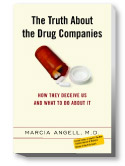 saved for you to review.
"It's just a way to put more people on prescription drugs," said Marcia Angell, a medical ethics lecturer at Harvard Medical School and author of "The Truth About Drug Companies." She said such programs will boost the sale of antidepressants like Paxil, Zoloft and Prozac even after the FDA in September ordered a "black box" label warning that the pills might spur suicidal thoughts or actions in minors. (The New York Post, December 5, 2004)
Friday, January 28, 2005
Psych Search
PsychSearch.net provides journalists, law enforcement, insurance investigators and citizens ready access to governmental reports on mental health practitioners across the state of Florida.
Did you know it was against the law for a psychotherapist to have sexual relations with his or her patient? It only makes sense that a patient should expect to feel safe in the office of his or her counselor, however, hundreds of people are abused every year by the psychotherapists they appeal to for help. According to Florida State Law this is a crime punishable by imprisonment. Many times these criminal acts go unreported — something we hope to correct.
This and other fraudulent and criminal actions have been committed against the citizens of Florida by psychotherapists for years — and now is the time to speak out to end these administrative and criminal transgressions.
Definition of a "psych" or psychotherapist:
For the purposes of this website a "psych" is defined as a Psychiatrist, Psychologist, Mental Health Counselor, Marriage & Family Therapist, Psychiatric Nurse or Clinical Social Worker. A "psych" is also defined as an unlicensed person who attempts to "practice" in any of the above "professions."
Survey Finds 80 Pct of U.S. Doctors Witness Mistakes
One can only imagine what happens in the field of mental health. As Reported in Rueters UK. Also as reported in this weblog, since Rueters stories tend to be on the internet for only a month.
Eighty percent of U.S. doctors and half of nurses surveyed said they had seen colleagues make mistakes, but only 10 percent ever spoke up, according to a study released on Wednesday. These mistakes are undoubtedly contributing to the deaths of tens of thousands of people who die from medical errors in the United States each year, the researchers and experts on nursing said.
Nurses, doctors and other healthcare workers need to be less shy about speaking up about mistakes, incompetent colleagues and other problems that can hurt patients, the report said. Healthcare workers who do speak up are not only able to nip the problem in the bud, but are also happier in their own work, said Joseph Grenny, president of consulting group VitalSmarts, which conducted the survey.
Grenny's team surveyed 1,700 nurses, doctors, hospital administrators and other experts for the study.
"Fifty percent of nurses said they have colleagues who appear incompetent," Grenny told a meeting of clinical care nurses. Eighty-four percent of physicians and 62 percent of nurses and other clinical care providers have seen co-workers taking shortcuts that could be dangerous to patients," he added.
The survey found that 88 percent of doctors and 48 percent of nurses and other workers felt they worked with colleagues who showed poor clinical judgment.
A 1999 study by the nonpartisan Institute of Medicine found that up to 98,000 Americans die each year from medical errors in hospitals. Last July, Lakewood, Colorado-based HealthGrades Inc. said the true number was closer to 195,000 people a year.
The errors include giving patients the wrong drug or the wrong dose, surgical errors and spreading germs through unhygienic practices.
"People frequently see these problems but too often they fail to talk about them," Grenny said.
Why not? Because people fear confrontation, lack time or feel it is not their job, Grenny said. Even doctors were afraid to question nurses they saw making errors, he said. His survey found the 10 percent of workers who did speak up felt good about it.
"When they effectively confront a situation, it makes a difference," he said. "These people are also more satisfied with their workplace."
Connie Barden, who helped author standards for the American Association of Critical-Care Nurses, said nurses cannot be afraid to point out mistakes. "Nurses must be as proficient at handling personal communication as they are in clinical skills," she told the meeting.
Sunday, January 23, 2005
Psychiatric unit boss concealed criminal conviction
A Senior Queensland [Australia] health official has been asked to show cause why he should not be disciplined after it was revealed he had been convicted of the indecent assault of a work colleague two years ago in Victoria.
Brisbane's Princess Alexandra Hospital executive manager of mental health services Bill Pepplinkhouse plead guilty in March 2002 to a charge of indecent assault following an incident in May 2001 in which he squeezed a female colleague's breasts during a work function. At the time Mr Pepplinkhouse was the manager of the Grampians Psychiatric Services, a division of the Ballarat Health Services in Victoria – a position he had held for five years.
The documents relating to Mr Pepplinkhouse's conviction surfaced yesterday following recent stories by The Courier-Mail about the administration of the PA Hospital's mental health services.
Documents provided to The Courier-Mail show that shortly before his conviction, Mr Pepplinkhouse had resigned his job and moved to Queensland "to get on with his life".
In sentencing Mr Pepplinkhouse for the charge of indecent assault, Magistrate Tim McDonald said it was unacceptable for a person in a position of authority to engage in an action that broke the trust that should exist between a manager and an employee.
Queensland Health senior executive director (health services) John Scott said last night Mr Pepplinkhouse has been asked to show cause as to why disciplinary action should not be taken. "The Queensland Health Code of Conduct requires all employees to declare if they have been charged with an indictable offence or convicted of a criminal offence," Dr Scott said. "This was not done."
Liberal health spokesman Bruce Flegg said a simple reference check with Mr Pepplinkhouse's former employer would have brought the matters to light. Dr Flegg said even though the matters may not have been finalised before the courts, the matters would have been well known and Mr Pepplinkhouse's former employers would have had a responsibility to reveal the information.
"This is a senior appointment in the vulnerable area of mental health," Dr Flegg said. "Queensland Health have been delinquent in their reference-checking and assessment. The judge's remarks in this case were particularly scathing around holding a position in the mental health area."
Monday, January 17, 2005
We don't live under NORMAL CONDITIONS
A documentary film about depression and suicide
There is a tendency afoot today to blame the epidemic sweep of clinical depression in the US on bad genes or screwy brain chemistry. But what if the causes of depression, suicide, or other mental illnesses, do not emanate from biology?
This artful documentary film brings six people together for three days of emotional, and at times heated, discussion about the sources of their despair.
Intermixed are hard-to-find facts which challenge the psychiatric industry's claims that depression is a biological disorder. Fundamentally about empowerment and the resilience of the human spirit, this surprisingly inspirational new movie will change the way you think about "normal."
The following informational text slates that are presented in the film are listed here with their sources:
| Title | Source |
| In the U.S., 30,000 people kill themselves each year, one every 17 minutes. | National Center on Health Statistics |
| One million adolescents attempt suicide each year | Centers for Disease Control |
| Suicide is the 2nd leading cause of death among youth ages 15-24. | National Mental Health Association |
| As many as one-third of teenage suicides are gay/lesbian youth. | Department of Health & Human Services |
| Identical quadruplets develop schizophrenia. A renowned geneticist proclaims them proof of a biological cause, discounting the girls environment which included a father who banged their heads together to stop them from crying, abused them sexually and mutilated their genitals with acid. | Toxic Psychiatry, Peter R. Breggin, M.D. |
| In 1952 the American Psychiatric Association published the first Diagnostic and Statistical Manual listing 60 types of mental disease. By the 1990s the 4th revision of the DSM listed 374 ways to be mentally ill. | DSMs |
| In 1967 several prominent psychiatrists wrote in a prominent medical journal that brain dysfunction was a cause of urban violence. | JAMA |
| In the 1970's government agencies funded psychiatrists who advocated psychiatric brain surgery for rioters and their leaders. | War Against Children, Peter R. Breggin |
| In the 1990's, the U.S. government conducted research on inner-city youth believed to be genetically pre-disposed to violence. The goal: to identify them at an early age and use drug treatment before they become criminals. | In Genes we Trust, Barry Mehler |
| While 75 percent of all attempted suicides are women, 80 percent of all completed suicides are men. | National Center for Health Statistics |
| In 1997 Prozac became the No. 2 overall selling drug in the U.S. bringing Eli Lilly 1 billion, 492 million dollars in revenue | The Plymouth as reported in the San Francisco Chronicle. |
| Lilly and other drug companies fund research at institutes where their products are tested and provide speaking fees, consulting deals and free travel to the psychiatrists in charge of the studies. | New York Post, 1998 |
| Biopsychiatrists have long touted brain scan evidence as proof that schizophrenia is a biological disorder. Researchers recently discovered that the brain abnormalities are found only in neuroleptic-treated patients and are in all likelihood medication-induced. | American Journal of Psychiatry December, 1998 |
| Estimates suggest that 5 million children take Ritalin for ADD, a "disease" that has never been proven to exist. | There Is No Disease Fred Baughman, Jr. M.D. |
| Since 1980 the number of private, for-profit psychiatric hospitals has more than tripled. Over 300,000 children and adolescents are placed in these hospitals each year. In Kentucky in 1990, 80% of the kids in one hospital were there with a diagnosis of "conduct disorder." | Bedlam, Joe Sharkey |
Sunday, January 16, 2005
Finally free
A story seen in the South East Missourian (shortened from the original)
Rodney Yoder is a "psychiatric prisoner" no longer. After nearly 15 years of fighting for his freedom by raging against what he calls "forced psychiatry," Yoder was released on bond last week from the Randolph County Jail in Chester, Ill. And it looks like, barring violent relapses, his freedom is final.
Yoder gained national media attention three years ago when he argued in court that psychiatry was a myth in an attempt to get his release from a mental institution for the criminally insane, where he had been involuntarily held 12 years.
"They almost got away with it," Yoder said. "I was facing extinction in there. When I arrived in Chester 14 years ago, they told me I wasn't getting out of there alive." Yoder, 46, spent last week doing more mundane things like getting a haircut, learning to use a cell phone, eating at restaurants and studying for his driver's license. On Saturday, he looked at used minivans in St. Louis. Yoder, who is staying with a friend in Glen Carbon, Ill., has also been bombarded with television and print media requests. A film crew working on a documentary about his plight also has been following him around. "It's kind of overwhelming," Yoder said. "I've hardly had a second free."
[While in prison] Yoder learned about the anti-psychiatry movement, shaping an opinion based on countless hours reading books by Sigmund Freud, Alfred Adler and Otto Kernberg in the facility's library. While he thought these writers had something to say about the human condition, he thought it wasn't right to forcefully incarcerate someone based on something as hard to prove as mental illness. "They even said that Jeffrey Dahmer was sane to stand trial," Yoder said. "It's nonsense, arbitrary nonsense. They can use that label -- mental illness -- any way it suits them."
Then, in 2002, Yoder got national attention, including a Time magazine article, an ABC News report and several stories on National Public Radio, when he argued that he should be released from Chester because there was no such thing as mental illness. Gaining support from the likes of Patch Adams -- the medical doctor and health-care activist who had a movie made about him starring Robin Williams -- and Church of Scientology followers, Yoder turned his commitment hearing that year into a proceeding that some said put psychiatry on trial. But again a jury agreed that Yoder should not be released. All the while, Yoder refused psychiatric treatment.
Then in 2003, state mental health officials decided to release Yoder. They said he now had bipolar disorder, but that that wasn't enough to hold him. "They said I went from mad to moody," Yoder quipped. Randolph County State's Attorney Michael Burke reacted by charging Yoder with attempted murder and aggravated battery for an alleged attack on a fellow inmate at Chester. Yoder said a conviction could have meant a prison term of 30 years. Yoder spent the last 19 months in the Randolph County Jail, seemingly unable to get beyond the borders of Chester. While incarcerated, he said, he wrote 1,000 letters urging business owners and residents to not vote for Burke in the recent election. Burke lost.
Then newly elected State's Attorney Randy Rodewald told a Chester judge on Tuesday that he doubted he could successfully prosecute Yoder and didn't fight bail. Phone calls to Rodewald were not returned Friday. Circuit Judge Dennis Doyle set bail at $10,000, and Susan Kniffel, a friend of Yoder's from Glen Carbon, posted the required $1,000 to secure his release. Yoder believes Rodewald will drop the charges against him. There is another hearing later this month.
For some, Yoder's story is about problems with psychiatry. Dr. Thomas Szasz is one of the most controversial figures in psychiatry today. He has been a psychiatry professor at the State University of New York in Syracuse for nearly 46 years and has become one of Yoder's biggest defenders. Szasz's most famous book is called "The Myth of Mental Illness." "This is not just about Rodney," Szasz said. "There are hundreds of thousands of more like him. But I'm happy he's free. Just like I'd be happy if someone escaped Auschwitz."
Yoder only wants to look ahead. He admitted he plans to sue the government for $100 million. He does want to write a book and continue to tell his story. He says he'll keep talking as long as people are being labeled "mentally ill" and being held against their will in psychiatric hospitals. He says he has no intention of hurting anyone. Friday afternoon, Yoder was in good spirits after taking his driver's test. "Aced it," he said matter-of-factly.
He found a 1991 Plymouth minivan on Saturday and haggled with the dealer to knock $200 off the price so it wouldn't exceed his limit of $2,000. Today, he hopes to drop Kniffel at the airport, meet with some more press types and then take a road trip. He got wind that the judge would modify his bond so he can go to Florida, where another friend has promised to put him up. Under his current bond, he's not allowed to leave Illinois. "Everything's perfect," he said. "Finally."
Wednesday, January 12, 2005
Holding people indefinitely causes mental health problems
Detainees held under current UK anti-terrorism laws have serious mental health problems that should be considered in the development of new legislation, warned a recent statement from the Royal College of Psychiatrists.
The college—the professional and educational body for psychiatrists in the United Kingdom and the Republic of Ireland—issued the statement after the House of Lords ruled on 16 December 2004 that the current legislation under which detainees are held (the 2001 Anti-terrorism Crime and Security Act) was unlawful because indefinite detention without trial was incompatible with the Human Rights Act 1998.
After reviewing psychiatrists’ reports on the detainees currently held under the 2001 anti-terrorism act, the college suggested that there was evidence that detainees, as a group, had serious mental health problems. The particular circumstances of their detention were considered to contribute significantly to their mental health problems. The statement warned: "Despite limitations to available evidence, our best estimate is that indeterminate detention, lack of normal due legal process, and the resultant sense of powerlessness, is likely to cause significant deterioration to detainees’ mental health."
The college considered that these aspects of detainees’ circumstances, rather than the lack of access to mental health services, were responsible for their mental health problems. It was satisfied that the access detainees had to mental health services in prison was similar to that of other prisoners.
Psychiatric treatment, however sophisticated it may be, cannot neutralise the deleterious impact on mental health of the particular nature of this group’s detention, the statement suggested. "We are therefore particularly concerned that the home secretary should not suggest that provision of psychiatric treatment from high quality mental health services can in itself prevent a decline in detainees’ mental health that may come about as a result of their detention," the college said.
The Medical Foundation for the Care of Victims of Torture, a human rights organisation that helps survivors of torture and organised violence, supported the call for any changes to legislation to take account of the impact on detainees’ mental health. Dr Charlotte Chapman, health and human rights adviser with the foundation, said: "We have long been concerned about the damaging mental health consequences of indefinite detention without trial.
"The nature of detention under the post-9/11 Anti-terrorism, Crime and Security Act 2001 is particularly likely to cause long term psychological problems. Detention without proper trial can increase feelings of injustice, frustration, and despair, which will all lead to deteriorating mental health."
In the expectation that the UK government will soon review anti-terrorism legislation, the Royal College of Psychiatrists said: "We consider that the impact on mental health is an important factor that should be taken into account when reviewing present legislation or contemplating future such legislation."
Dr Chapman suggested: "All prisoners held under anti-terrorism legislation should either be released or brought to trial." She argued that any suggestion that detaining people without trial might be for the greater good of society—in this case, reducing the risk of terrorism—had been shown in the past to be ineffective. "Reducing civil liberty and justice for individuals does not secure safety for society," she concluded.
The Statement by the Royal College of Psychiatrists in respect of the psychiatric problems of detainees held under the 2001 Anti-terrorism Crime and Security Act can be found at www.rcpsych.ac.uk/press/preleases/pr/pr_633.htm
Thomas Szasz, Professor of psychiatry emeritus, State University of New York, Syracuse, New York [Retired] commented on this in the British Medical Journal:
The Royal College of Psychiatrists's declaration that indefinite detention is not good for the mental health of terrorists is to be applauded. Shouldn't the College entertain the possibility that detention is also not good for the mental health of mental patients, even if their detention is called "hospitalization"?
But this would be too much common sense, I suppose...
Thursday, January 06, 2005
Psychiatric Lies Factor in Andrea Gates Case
An appeals court in Texas has overturned Andrea Yates' capital murder conviction for drowning her children. The Texas First Court of Appeals in Houston ordered a new trial in the drownings of her children. Yates had been serving a life sentence on convictions in the 2001 drownings of three of her five children. She was not tried for the deaths of the other two children. A three-judge panel found that the Harris County jury may have been prejudiced by the false testimony of a prosecution expert.
Yates' lawyers had argued at a hearing last month before a three-judge panel of the First Court of Appeals in Houston that psychiatrist Park Dietz lied when he said he consulted on an episode of the TV show "Law & Order" involving a woman found innocent by reason of insanity for drowning her children. After jurors found Yates guilty, attorneys in the case and jurors learned no such episode existed.
As reported in many places
British therapist in Connecticutt court confesses to patient sex.
A British hypnotist charged with having sex with several patients and secretly videotaping the encounters has reached a plea deal that will send him to prison for 90 days.
Michael Johnstone, 64, pleaded no contest yesterday to reckless endangerment and breach of peace charges in Milford Superior Court in Connecticut. Johnstone, who will be sentenced on February 28, declined comment as he left court with his wife. He faces being deported back to Britain.
Authorities say Johnson confessed to having sex with half a dozen patients and secretly videotaped trysts in his offices. The victims were in their 40s and 50s and had sought treatment for anxiety.
"He was using his position to exploit these women who were coming to him for some real problems," prosecutor Kevin Lawlor said.
Mr Lawlor said the victims were "not 100 per cent satisfied" with the plea deal, but he said the agreement ensures Johnstone will not victimise more women because he is now banned from working as a hypnotist.
"I think it was also important for him to serve some jail time," he said. Hugh Keefe, Johnstone’s lawyer, said the charges are misdemeanours and that he does not have to register as a sex offender.
Wednesday, January 05, 2005
Rep. Maurice Hinchey Blasts FDA role on Prozac Documents
As reported on the Record Online
Revelations about high rates of suicide and violence connected with the anti-depressant Prozac highlight serious problems with U.S. drug development, Rep. Maurice Hinchey said yesterday.
Hinchey is reviewing documents that apparently were not given to federal researchers during the approval process for Prozac conducted by the federal Food and Drug Administration. The drug is produced by the Eli Lilly and Co.
"The documents seem to show that clearly there was an awareness of the risks associated with the use of the drug and that that information was available to Lilly and perhaps to the FDA 16 years ago," Hinchey said.
The documents surfaced first in the Jan. 1 issue of the British Medical Journal. The documents suggested Eli Lilly officials were aware of the problems and tried to minimize their potential impact, the article said.
Eli Lilly spokesmen could not be reached for comment yesterday but issued a statement to the British journal: "The safety and efficacy of Prozac is well studied, well documented, and well established."
More than 50 million people have been prescribed the drug worldwide, the company said. Hinchey questioned whether the company had withheld the damaging information from the FDA and the public as Prozac was being approved.
The British journal said it would turn the documents over to the FDA for its review. A spokesperson for the federal agency said yesterday that it had not yet received the documents.
The new documents about what Lilly and the FDA might have known come at a time when the drug approval process, which the FDA oversees, is under fire. The drug Vioxx was pulled from the market recently when high rates of heart problems were connected with it, for example. Some anti-depressants like Prozac were only recently connected to high rates of suicide as well.
Hinchey, who is on the House Appropriations Committee, blasted the FDA. "This case demonstrates the need for Congress to mandate the complete disclosure of all clinical studies for FDA-approved drugs so that patients and their doctors, not the drug companies, decide whether the benefits of taking a certain medicine outweigh the risks," he told the medical journal. This is not the first time the Saugerties Democrat has taken on the FDA.
Last year, Hinchey attacked Daniel Troy, the chief counsel for the agency. Troy was a former law clerk of failed candidate for U.S. Supreme Court Robert Bork. He represented pharmaceutical and tobacco industries in legal battles with the FDA, but that was before he took over as its chief lawyer.
Hinchey accused Troy of favoring drug company interests over that of the public, even going so far as seeking out legal cases and coordinating how the federal agency could best help the companies. Troy denied any bias but resigned his post in November. Hinchey said he was sure the pressure he applied to Troy played a role in the resignation.
But Troy's resignation will not end the agency's problems. The media focus is intensifying, and he plans to request an internal investigation of what the FDA knew about the Prozac data, Hinchey said.
"We have been led to believe we have the most complete safety procedure of any country in the world," he said. "But we may have to confront some illusions and myths here about the efficacy of our processes. We have to change them so they are the best and safest in the world."
The controversial documents can be found online here in PDF format
Tuesday, January 04, 2005
Therapist pleads guilty to being the rapist
A former therapist for children who suffered sexual abuse or had behavioral problems has plead guilty to molesting 10 of them.
Douglas Kennedy, 41, of Peru in Clinton County, faces up to seven years in prison under the plea deal. The victims, both boys and girls, currently range in age from 8 to 15, District Attorney Richard Cantwell said. Kennedy worked for Behavioral Health Services in Plattsburgh from 1995 until he resigned in June 2004 after two victims came forward.
The 11-count indictment included charges of criminal sexual acts, forcible touching and endangering the welfare of a child. When Cantwell asked Kennedy to elaborate in court, he described some of the incidents as "horseplay." Kennedy admitted performing oral sex on a boy more than once during therapy sessions between January 2002 and June 2004.
Another incident involved a 10-year-old girl who said Kennedy restrained her with toy handcuffs and left her in her underwear, Cantwell said. Other children said they viewed pornography during sessions. Authorities said they contacted 170 former clients during the investigation. "It was very troubling to meet the children and see how fragile they are and to see what happened to them on their road to recovery," Cantwell said. "Many of them were helpless victims."
Kennedy is free on $2,500 bail and was scheduled for sentencing March 8. His attorney did not immediately return calls for comment.
See this more detailed report in the Press Republican
Some of the children are now back in counseling trying to cope with their original sexual abuse or behavioral problems along with this additional trauma. Temporary orders of protection were granted for each of the victims. He will voluntarily surrender his license and will never again work as a therapist. Calls to Kennedy's lawyer, Stephen Johnston, were not returned Tuesday.
Friday, December 31, 2004
Company Eli Lily knew of Prozac's risks in 1980's
As reported in the British Medical Journal
The US Food and Drug Administration has agreed to review confidential drug company documents that went missing during a controversial product liability suit more than 10 years ago. The documents appear to suggest a link between the drug fluoxetine (Prozac), made by Eli Lilly, and suicide attempts and violence.
The missing documents, which were sent to the BMJ by an anonymous source last month, include reviews and memos indicating that Eli Lilly officials were aware in the 1980s that fluoxetine had troubling side effects and sought to minimise their likely negative effect on prescribing.
The documents received by the BMJ reportedly went missing during the 1994 Wesbecker case that grew out of a lawsuit filed on behalf of victims of a work-place shooting in 1989. Joseph Wesbecker, armed with an AK-47, shot eight people dead and wounded another 12. He then shot and killed himself. Mr Wesbecker, who had a long history of depression, had been placed on fluoxetine one month before the shootings.
One of the internal company documents, a report of 8 November 1988, entitled "Activation and Sedation in Fluoxetine Clinical Trials," found that in clinical trials "38% of fluoxetine-treated patients reported new activation but 19% of placebo-treated patients also reported new activation yielding a difference of 19% attributable to fluoxetine."
The FDA recently issued a warning that antidepressants can cause a cluster of "activating" or stimulating symptoms such as agitation, panic attacks, insomnia, and aggressiveness. Dr Joseph Glenmullen, a Harvard psychiatrist and author of The Antidepressant Solution, published by Free Press, said it should come as little surprise that fluoxetine might cause serious behavioural disturbances, as it is similar to cocaine in its effects on serotonin.
The full report is freely available at the link.
As reported in the news elswhere:
The documents reportedly went missing in 1994, when relatives of victims of a workplace shooting in Kentucky sued Eli Lilly. Gunman Joseph Wesbecker, who killed eight people and himself in 1989, had been prescribed Prozac a month before the shootings.
The lawsuit alleged the company knew for years that an increase in violence can be one of the side-effects of Prozac.
Eli Lilly won the case, but later said it had settled with plaintiffs during the trial.
The journal said the documents, dated November 1998, reported that fluoxetine or Prozac had caused behavioural disturbances in clinical trials.
Dr. Richard Kalpit, the U.S. Food and Drug Administration reviewer who approved Prozac, said he was not given the company's data. "If this report was done by Lilly or for Lilly, it was their responsibility to report it to us and to publish it," he said in a statement from the journal. The journal has turned the documents over to the FDA, which is reviewing them.
In the last six months, regulators in Canada and the U.S. have warned that antidepressants like Prozac, so-called selective serotonin reuptake inhibitors or SSRI antidepressants, can stimulate side-effects such as agitation, panic attacks, insomnia and aggressiveness.
Wednesday, December 22, 2004
Mandatory mental health screening program would dose pregnant women with prescription drugs that cause birth defects
As reported here on News Watch:
Bureaucrats in Chicago are currently discussing a proposal to require the mental health screening of all pregnant women and children up to the age of 18 years old. The purported mission of the program is to protect the health of the public by diagnosing mental disorders before they become full blown problems -- but in reality, as we've seen from similar programs in the past, the real mission is to diagnose people with fictitious brain diseases and behavioral disorders, then dose them with highly toxic prescription drugs that not only generate profits for pharmaceutical companies, but also for the psychiatrists who prescribe them.
What's especially frightening about this program is that it may include the dosing of pregnant women with prescription drugs that we now know increase the risk of birth defects. We also know from clinical trials and experiments involving mice that children who grow up on antidepressant drugs have a much higher risk of being depressed as adults whether or not they continue taking those drugs.
In other words, it's not enough that as a nation we misdiagnose childhood hyperactivity caused by sugar consumption as being a brain chemistry imbalance and then dose all those children with Ritalin, it seems that we also want to start dosing pregnant women as well. Who's next? Are we going to dose all men under the age of 30? Are we going to require the mental health screening of all elderly people, and start dosing everyone over the age of 65 with brain altering drugs too?
There seems to be no limit to how far the highly corrupt psychiatry community and prescription drug companies will carry this to exert control over the population and generate obscene profits. And the truth is that anyone can be diagnosed with a mental disorder given sufficient creativity on the part of the psychiatrists. If a person is too creative and excited, they have Attention Deficit Disorder.
If they're not creative enough, they have a reading disorder. And if they get nervous while being observed by the psychiatrist, they obviously have a social anxiety disorder. See? It doesn't take much to invent behavioral disorders and then come up with fraudulently marketed drugs that claim to mask symptoms of those disorders.
Welcome to Insane USA, where the mission of the pharmaceutical industry
seems to be: let's put as many people as possible on as many brain altering drugs as possible. And, if you've noticed, the whole idea of diagnosing disease has shifted over the last ten years from diseases that had measurable symptoms (such as high cholesterol, high blood pressure or cancer tumors) to diseases that are largely subjective and have no objective definition.
There is no definition of Attention Deficit Hyperactivity Disorder (ADHD) that can be confirmed by a lab test. It is a completely fictitious disease that has literally no
verifiable biochemistry or physiology. It's simply a matter of one psychiatrist walking in, pointing at a child and saying "Oh, he has a disorder -- let's put him on drugs!" And ignorant parents tend to go right along with it because they haven't done the math on drugs, and they're not aware of the dangerous side effects of these toxic prescriptions.
What we really need in this country are laws that ban dosing children with Mind-altering drugs. If anything, our children need to be set free from the chemical prisons erected by psychiatrists, over-zealous school administrators and, of course, pharmaceutical companies.
Overview:
Mandatory mental health screening program would dose pregnant women with prescription drugs that cause birth defects
Source: http://www.newstarget.com/002566.html
Monday, December 20, 2004
Calvin and Hobbes and Ritalin
If you know the wonderful and original cartoon series, this is a very sad cartoon.
Someone took the time to re-write the cartoon to show what it would be like if Calvin was put on ritalin.
Calvin is a wonderful child whose imagination takes him on the wildest and funniest adventures. Hobbes is his pet Tiger (in reality a stuffed toy)

You can see some of the original series online at
http://www.ucomics.com/calvinandhobbes/
Sunday, December 19, 2004
An Early History of African American Mental Health
As seen on this excellent webpage:
Benjamin Rush, MD, signer of the Declaration of Independence, Dean of the Medical School at the University of Pennsylvania and the "Father of American Psychiatry, "described Negroes as suffering from an affliction called Negritude, which was thought to be a mild form of leprosy. The only cure for the disorder was to become white. It is unclear as to how many cases of Negritude were successfully treated.
The irony of Dr. Rush's medical observations was that he was a leading mental health reformer and co-founder of the first anti-slavery society in America. Dr. Rush's portrait still adorns the official seal of the American Psychiatric Association. However, Dr Rush's observation-"The Africans become insane, we are told, in some instances, soon after they enter upon the toils of perpetual slavery in the West Indies"-is not often cited in discussions of mental illness and African-Americans, how-ever valuable it might be in understanding the traumatic impact of enslavement and oppression on Africans and their descendants.
In 1851, Dr. Samuel Cartwright, a prominent Louisiana physician and one of the leading authorities in his time on the medical care of Negroes, identified two mental disorders peculiar to slaves. Drapetomia, or the disease causing Negroes to run away, was noted as a condition, "unknown to our medical authorities, although its diagnostic symptom, the absconding from service, is well known to our planters and overseers. " Dr. Cartwright observed, "The cause in most cases, that induces the Negro to run 4 away from service, is such a disease of the mind as in any other species of alienation, and much more curable, as a general rule. "
Cartwright was so helpful as to identify preventive measures for dealing with potential cases of drapetomania. Slaves showing incipient drapetomania, reflected in sulky and dissatisfied behavior should be whipped-strictly as a therapeutic early intervention. Planter and overseers were encouraged to utilize whipping as the primary intervention once the disease had progressed to the stage of actually running away. Overall, Cartwright suggested that Negroes should be kept in a submissive state and treated like children, with "care, kindness, attention and humanity, to prevent and cure them from running away."
Dr. Cartwright also diagnosed Dysaethesia Aethiopica, or "hebetude of the mind and obtuse sensibility of the body-a disease peculiar to Negroes called by overseers-Rascality. " Dysethesia Aethiopica differed from other species of mental disease since physical signs and lesions accompanied it. The ever-resourceful Dr. Cartwright determined that whipping could also cure this disorder. Of course, one wonders if the whipping were not the cause of the "lesions" that confirmed the diagnosis.
Not surprisingly, Dr. Cartwright was a leading thinker in the pro-slavery movement. Dr. Cartwright, in his article "Diseases and Peculiarities of the Negro Race, " chided his anti-slavery colleagues by noting "The northern physicians and people have noticed the symptoms, but not the disease from which they spring. They ignorantly attribute the symptoms to the debasing influence of slavery on the mind without considering that those who have never been in slavery, or their fathers before them, are the most afflicted, and the latest from the slave-holding south the least. The disease is the natural offspring of Negro liberty-the liberty to be idle, to wallow in filth, and to indulge in improper food and drinks. "
Drapetomania and Dysethesia Aethiopica could be relegated to obscurity along with the spinning chair and other ridiculous assumptions about mental illness and its treatment if African-Americans were not constantly assaulted by updated efforts to put social and economic issues into a medical framework that emphasizes our " pathology. "
In the late 1960s, Vernon Mark, William Sweet and Frank Ervin suggested that urban violence, which most African-Americans perceived as a reaction to oppression, poverty and state-sponsored economic and physical violence against us, was actually due to "brain dysfunction, " and recommended the use of psychosurgery to prevent outbreaks of violence. Clearly, the spirit of Dr. Cartwright was alive, well and receiving federal research grants.
Drs. Alvin Poussaint and Peter Breggin were two outspoken opponents of the updated "Drapetomania" theory, along with hundreds of psychiatric survivors who took to the streets to protest psychosurgery abuses. The issue of brain dysfunction as a cause of poor social conditions in African-American and Latino communities continues to crop up in the federally funded Violence Initiatives of the 1990s and current calls for psychiatric screening for all children entering juvenile justice facilities. Exposing scientific racism is essential to protecting us from further psychiatric abuses and facilitating resolution of social, political and economic problems without blaming the victims of oppression.
Norwegian Psych Hospital Sends Dangerous Patient Home to Calm Down.
As seen in this report
Staff at Ullevål University Hospital [in Norway] were so frightened by a psychotic patient's aggressive behavior that they released him in the hopes that some time at home would calm him. [Ullevål University Hospital has also came under fire after releasing a man in August who went amok on an Oslo tram and stabbed several passengers, one to death.]
A representative for Oslo police said that they were to be informed if the patient was released but instead Ullevål issued a missing person notice after he failed to return. He was assessed as dangerously psychotic by a police physician in October and committed to Ullevål on the 18th of that month.
The Department of Health has an ongoing investigation into Ullevål's routines.
Tuesday, December 14, 2004
The 6 Myths Of Creativity
You would think that Psychiatry and Psychology would have unlocked the key to Human Creativity long ago. But it is not so. A recent study by a business researcher at the Havard Business School has results that debunk six commonly held beliefs about creativity. Being business people, it seems they actually wanted something that worked, vs the usual tripe they get.
The following snippets are from a summary was spotted in the magazine Fast Company.
Myth 1. Creativity Comes From Creative Types
Myth 2. Money Is a Creativity Motivator
Myth 3. Time Pressure Fuels Creativity
Myth 4. Fear Forces Breakthroughs
Myth 5. Competition Beats Collaboration
Myth 6. Streamlining an Organization enhances Creativity
There's this widespread notion that fear and sadness somehow spur creativity. There's even some psychological literature suggesting that the incidence of depression is higher in creative writers and artists -- the de-pressed geniuses who are incredibly original in their thinking. But it isn't so. Not for the vast majority of people.
Simply put, creativity is positively associated with joy and love and negatively associated with anger, fear, and anxiety. People are happiest when they come up with a creative idea, but they're more likely to have a breakthrough if they were happy the day before.
People were the least creative when they were fighting the clock. When people were working under great pressure, their creativity went down not only on that day but the next two days as well. Time pressure stifles creativity because people can't deeply engage with the problem. Creativity requires an incubation period; people need time to soak in a problem and let the ideas bubble up.
It's probably only the public-relations departments that believe downsizing and restructuring actually foster creativity. Of course, the opposite is true: Creativity suffers greatly during a downsizing. Anticipation of the downsizing was even worse than the downsizing itself -- people's fear of the unknown led them to basically disengage from the work.
Anyone with normal intelligence is capable of doing some degree of creative work. Creativity depends on a number of things: experience, including knowledge and technical skills; talent; an ability to think in new ways; and the capacity to push through uncreative dry spells. Intrinsic motivation -- people who are turned on by their work often work creatively -- is especially critical.
An interview with the original researcher can been seen here
Monday, December 13, 2004
Iowa Pyschiatrist fined for Dirty Money.
An Iowa psychiatrist has to pay a $250 fine -- after he was accused of smearing feces on bills used to pay a $5 parking ticket.
Psychiatrist Dr. Ronald Preston McPike was charged with harassment of a public official. He pleaded not guilty, but was fined $250. Police said McPike claimed the money fell into a toilet.
According to authorities, the money was in an envelope labeled, "Foreign brown substance on bills." Lab test showed the stains were from excrement smeared on the bills. Prosecutors had pushed for the maximum of 30 days in jail and a $500 fine, saying the crime was disgusting. McPike's lawyer said his client made a serious error in judgment and his psychiatric practice has suffered because of it.
As reported here. Obviously a parogon of virtue and a model for his community. How did he ever think this was alright? Is the man crazy?
Funny thing, there was a survey on the page where they asked the following question
If this man were your psychiatrist, would you stop going to him?
Results so far are 89% said yes. 11% said no. I'm worried about those 11%.
See also this other story.
Thursday, December 09, 2004
Primetime Live Investigates Side Effects Of AntiDepressants in Children and Others
Tune in tonight, as Primetime Live airs its investigation into withheld information on antidepressants causing suicide in children and adolscents.
As their blurb says:
An investigation reveals evidence that drug makers suppressed information about how antidepressants can affect children.
Check your local listings and be sure to tune in to ABC.
When: Thursday, December 9, 2004. 10:00pm
(but check your local listings first)
Update:
Dr. Joseph Glenmullen, a clinical instructor in psychiatry at Harvard Medical School, appeared on "Primetime Live" tonight to discuss the often-unrecognized side effects of antidepressant drugs.
Studies of the antidepressants known as SSRIs have established an increased risk in suicidal thoughts and behaviors for children and adolescents, and withdrawal symptoms that include dizziness, nausea, insomnia and nightmares.
If you have questions for Glenmullen, author of "The Antidepressant Solution: A Step-by-Step Guide to Safely Overcoming Antidepressant Withdrawal, Dependence, and Addiction,'" send them in on this page at Prime Time Live. Check back on Wednesday, Dec. 15, for his responses. Glenmullen also consults for lawyers suing antidepressant manufacturers.
For more information, go to his Web site at: www.antidepressantsolution.org
The book The Antidepressant Solution includes a chapter on how changing the dose of antidpressants up or down may make patients suicidal.
Wednesday, December 08, 2004
The odds are very good that you are on drugs.
As By SF Gate Columnist Mark Morford
Right now. This minute. As I type this and as you read this and as false Texas dictators rise and sad empires crumble and as this mad bewildered world spins in its frantically careening orbit, there's a nearly 50/50 chance that some sort of devious synthetic chemical manufactured by some massive and largely heartless corporation is coursing through your bloodstream and humping your brain stem and molesting your karma and kicking the crap out of your libido and chattering the teeth of your very bones.
Maybe it's regulating your blood pressure. Maybe it's keeping your cholesterol in check. Maybe it's helping you sleep. Maybe it's helping you wake the hell up. Maybe it's opening your bronchial tubes. Maybe it's brightening your terminally bleak outlook.
Maybe it's adjusting your hormone levels or controlling your urge to weep every minute or relaxing the blood vessels in your penis or cranking the serotonin to your brain or pumping carefully measured slugs of alprazolam or fluoxetine or sertraline or atorvastatin or esomeprazole or buspirone or venlafaxine or any number of substances with Latin-rooted jawbreaker names through your flesh in a bizarre dance of miraculous vaguely disturbing death-defying scientific wonder.
Forty-four percent of all Americans. That's the latest number. Almost half us are popping at least one prescription drug and fully one in six are popping three or more, and the numbers are only increasing and this of course doesn't count alcohol or cigarettes or bad porn and it doesn't count the mad megadoses of jingoistic flag-waving God-slappin' fear -- which is, as evidenced by the last election, a stupendously popular FDA-approved drug in its own right. But that's another column.
Have a teenager? She's probably on drugs, too. One in four of all teens are, according to new research. And we ain't talking pot or ecstasy or meth or fine cocaine or Bud Light or any of those oh-my-God-not-my-baby devil drugs that are so demonized by the government, but that by and large are no more (and are often far less) toxic and addictive and caustic than any of your average 8-buck-a-pop silver-bullet chemical bombs shot forth from the likes of Eli Lilly and Glaxo and Pfizer, et al. Ahh, irony. It's the American way.
All of which means one of two things: either it's the goddamn finest time in history to be an American, living as we are in the age of incredible technology and miracle medicines and longer life expectancies and $5 coffee drinks and a happy synthetic chemical to match any sort of ache or pain or lump or rash or spiritual crisis you might be facing.
Or it's the absolute worst, what with so many of us heavily drugged and over half of us massively obese and IQs dropping like stones and our overall quality of life deteriorating right under our noses and shockingly huge numbers of us actually finding Shania Twain somehow interesting. Which perspective is right for you? Ask your doctor.
It's become so you can't crack a joke about Prozac or Xanax at a party without at least three or four faces suddenly going still and unsmiling and you're like, whoops, as you suddenly realize that you can, as you walk the streets of this fine and heavily narcotized nation, imagine at least one very expensive drug pumping through the time-ravaged body of nearly every other person you pass. It's a bit like knowing their secret fetish or favoritest dream or on which nether part they want to get a tattoo. Except totally different.
Monday, December 06, 2004
Shadow Psychiatry News Website
The Shadow Psychology News Network is a consortium of concerned citizens, technical and marketing advertisers supporting an initiative to reform Psychology research and education policies and procedures.
A very impressive site. While I do not agree with everything they have, they are a very good resource.
ADVENTURES WITH AN ICE PICK: a short history of lobotomy
As seen in this webpage
AMERICA, 1847: a highly competent and, by all accounts, pleasant manual laborer of Irish extraction named Phineas Gage is involved in rock blasting operations in mountainous terrain. In the course of one sadly uncontrolled explosion, an iron bar is picked up by the force of the blast and driven clean through the front part of his head. Phineas is sent flying, but, to everybody's surprise, he survives the removal of the protruding bar. As he recovers, however, it is observed that his personality has dramatically changed, though his memory and intelligence remain apparently unaffected. In 1868, a physician named Harlow from Boston writes about him: "His equilibrium, or balance, so to speak, between his intellectual faculties and animal propensities seems to have been destroyed. He is fitful, irreverent, indulging in the grossest profanity (which was not previously his custom), manifesting but little deference for his fellows, impatient of restraint or advice when it conflicts with his desires." The now extremely rude Phineas Gage is an object of immense medical interest, for it seems clear, from his somewhat crude experience of psychosurgery, that one can alter the social behavior of the human animal by physically interfering with the frontal lobes of the brain.
Note that His behavior only got worse. Not better.
Then we have this:
As early as 1951, even the Soviet Union, where psychiatric abuse was rife, had stopped performing the lobotomy on ideological grounds: it produced unresponsive people who were fixed and unchangeable.
Lobotomy was finally seen for what it was: not a cure, but a way of managing patients. It was just another form of restraint, a mental strait jacket nailed permanently over the brain. It did not create new people; it subtracted from the old ones. It was an act of defeat, of frustration.
The Director of the New York State Psychiatric Institute, Nolan Lewis, asked: "Is quieting a patient a cure? Perhaps all it accomplishes is to make things more convenient for those who have to nurse them ... the patients become rather childlike ... they are as dull as blazes. It disturbs me to see the number of zombies that these operations turn out ... it should be stopped."
A worth while read
Friday, December 03, 2004
Prozac makes children suicidal, says new study of antidepressants
A drug that is supposed to the one safe medication to give depressed children may be actually making children suicidal, according to new research. It was found that children had a 50% higher occurrence of suicidal thoughts while taking Prozac, as opposed to a placebo.
This is definite cause for concern given the number of children currently taking the supposedly safe Prozac. More tests must be conducted immediately to decipher if this is truly a risk that parents need to be concerned with. A push for relabeling of Prozac is underway so that parents are aware of this potentially dangerous side effect.
News summary:
Source: http://www.usatoday.com/news/health/2004-09-13-prozac_x.htm
- Prozac, the only antidepressant certified as safe for children, may make kids more suicidal, according to evidence out Monday.
- A large new study added to previous research on Prozac shows that kids taking the drug have about a 50% higher risk of suicidal thoughts and suicide attempts than those getting placebos, says Robert Temple, director of the Office of Drug Evaluation at the Food and Drug Administration.
- Temple spoke at the first day of hearings on potential label changes for antidepressants taken by more than a million children and teenagers.
- The discussion continues today, and an advisory committee could end the day by asking for tougher warning labels on all antidepressants taken by kids.
- Following a February hearing, the FDA in March asked drug companies to relabel 10 antidepressants, warning that young patients should be watched for worsening depression and anxiety.
- Critics at the time derided that move as "too little, too late," considering that, in December, British drug regulators had advised doctors to prescribe only Prozac for depressed kids.
- The increased risk for suicidal behavior is small: About two to three kids in a group of 100 become more suicidal because they're on antidepressants, says Tarek Hammad, medical reviewer for the FDA.
- Dozens of parents testified at the hearing that antidepressants had caused their children to kill themselves --- or others.
- Their claims were "passionate and plausible," says psychiatrist Wayne Goodman, chairman of the FDA advisory panel.

